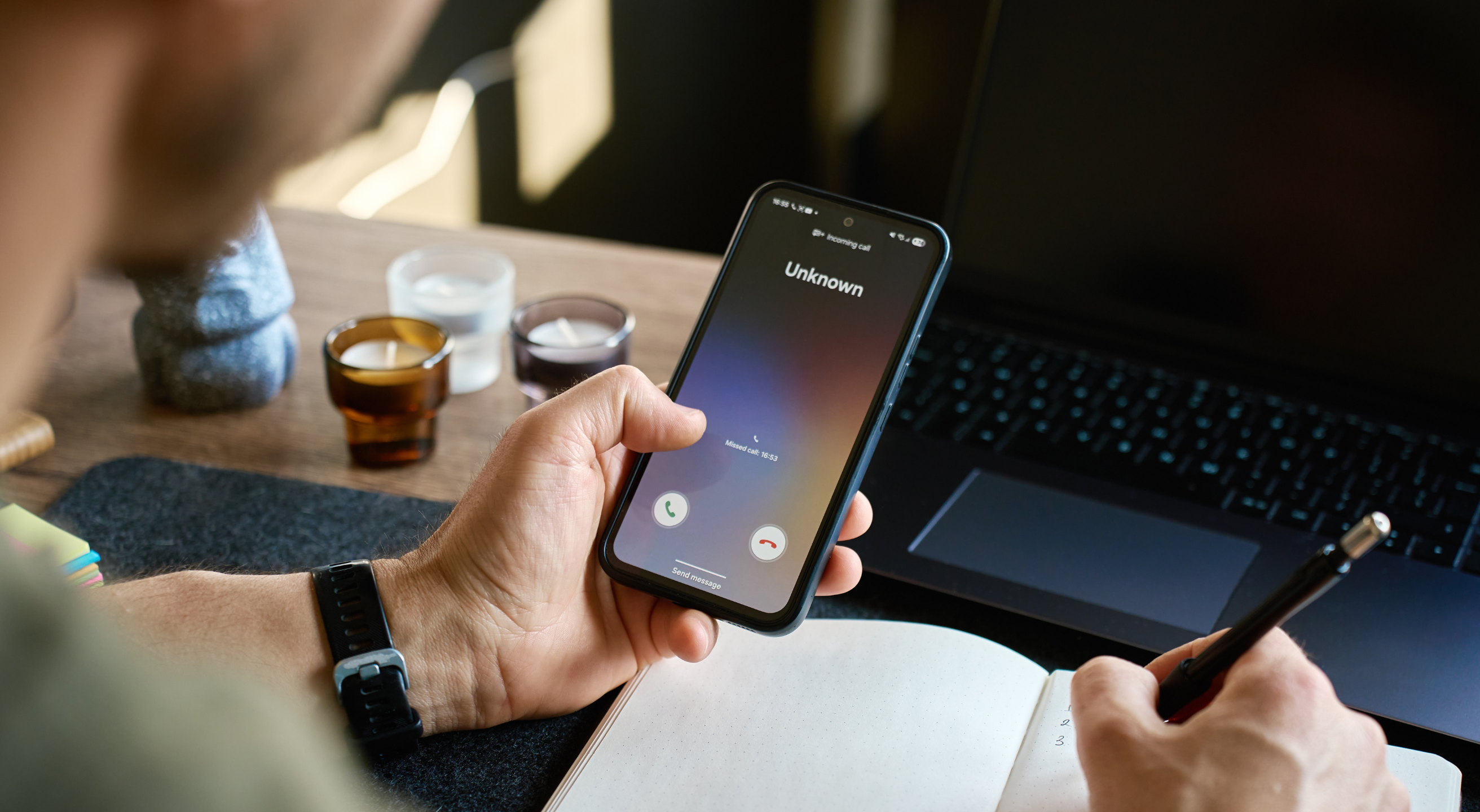
Every time you share your phone number with a marketplace seller, a new app, or a one-time service, you're sharing something that behaves less like a contact detail and more like an ID. It gets indexed, retained, and cross-referenced in ways that are difficult to control and nearly impossible to undo.
A proxy phone number helps mitigate this problem. It lets you communicate without directly revealing your real number, adding a layer of privacy and control. In this guide, we’ll explore the most common ways to get a proxy phone number and compare them for practicality and security.
What Is a Proxy Phone Number?
A proxy phone number is a masked number used to hide your real contact details from the person you're communicating with. It acts as an intermediary, routing calls and texts to your private line without the caller identifying your actual number.
Over time, phone numbers have become universal digital identifiers used for everything from account verification and online marketplaces to communicating with strangers. This creates a permanent exposure of your number, which ultimately fuels spam, scams, doxxing, unwanted contact, and data broker selling. Proxy phone numbers offer a practical way to limit that exposure without giving up connectivity.
Today, many people also use temporary numbers from Voice over Internet Protocol (VoIP) apps or prepaid burner numbers as an alternative to traditional proxy setups for personal use. These options go a step further by creating a complete separation between the temporary number and your main carrier-issued number, reducing the risk of long-term tracking or spam.
Real-World Benefits of a Proxy Phone Number
A proxy mobile number limits how much of your identity you share every time you give your number online or to unknown contacts. This results in the following key benefits:
- Enhanced privacy: Callers and counterparties can’t see your primary number, which reduces the risk of harassment, stalking, and reuse of your number for spam or scams.
- Compartmentalization: You can separate transactional or temporary communication from personal contacts, making it easier to manage different parts of your life.
- Reduced spam and harassment: Spam and low-trust interactions stay contained to the proxy. Because your primary number isn’t revealed, it’s less likely to end up in marketing lists or be used for unwanted follow-ups.
- Contained blast radius: If a proxy number is compromised, spammed, or abused, you can rotate or discard it without disrupting your primary number or any accounts, contacts, or services tied to it.
How Does a Proxy Phone Number Work?
Traditional proxy numbers route calls and messages through an intermediary system that sits between two contacts. The process typically follows these steps:
- You receive (or generate) a unique proxy number from a service or platform, which is tied to your real phone number through a secure backend mapping.
- When someone dials or texts the proxy number, the call or message first hits the proxy provider's system, which then forwards it to your actual phone line. Your device receives it as a normal incoming communication.
- When you reply, your call or text travels back through the same intermediary server, which strips your real number from the outbound message and shows only the proxy number to the recipient.
Note that VoIP-based virtual numbers work in a slightly different way. Instead of acting as a bridge between two numbers, they generate standalone cloud-based numbers that send and receive calls and texts as data packets over internet protocols without relying on cellular routing.
Practical Use Cases of Proxy Phone Numbers
Proxy numbers have practical applications for both personal and business use, but they all trace back to the same core purpose: protecting your real number and the identity data linked to it without disrupting how you communicate day to day. The following table outlines the most common practical applications where a proxy cell phone number can be beneficial:
Use Case | How Proxy Number Is Used |
Online marketplaces | Buyers and sellers can discuss listings, negotiate prices, or arrange pickups without exposing their personal phone numbers. |
Ride-sharing and delivery services | Drivers and customers communicate only during the trip or to coordinate deliveries through a masked number assigned by the platform. |
Customer support teams | Businesses offer masked support lines so agents can use personal devices securely without revealing numbers to customers. |
Dating and social apps | You can share a disposable number for initial chats or calls, reducing the risk of stalking if the interaction doesn't progress. |
Freelance or gig work | Contractors, technicians, recruiters, or service providers can communicate with clients without maintaining permanent access to their phone numbers. |
How To Get a Proxy Phone Number: 3 Common Methods Explained
Proxy phone numbers can be implemented in several ways depending on your intended use and the level of separation you want from your primary number. Below are the three most common ways to set up a proxy phone number:
- Standalone burner apps
- Secondary cellular lines
- Call masking services
1. Standalone Burner Apps
Virtual burner number apps let you generate VoIP-based phone numbers that operate over your phone’s data or Wi-Fi connection instead of your carrier plan. These apps often let you select a number from available area codes and start using it immediately for calls and texts within the app interface.
Google Voice is one of the most widely used options in this category. It's free and lets you generate a U.S. proxy phone number for calls, texts, and voicemail. Here’s how to create a proxy phone number using Google Voice:
- Go to the Google Voice webpage, sign in with your Google account, and accept the terms and conditions
- Search numbers by city or area code and select a number from the available options
- Link an existing phone number for forwarding when prompted and complete the verification process
- Start using the Google Voice number in place of your real one
Some burner apps allow you to create multiple numbers and delete them whenever they’re no longer needed. These virtual numbers are easy to set up, don’t require a SIM or carrier account, and function like regular phone numbers, making them a fast, low-friction proxy number solution.
However, there are certain limitations of a virtual proxy number app. VoIP numbers are routinely blocked by platforms that flag non-carrier numbers, particularly SMS-based verification codes from banks or online platforms. Additionally, not all apps offer free virtual numbers, and some might impose calling or feature limits in their basic plans.
2. Secondary Cellular Lines
A secondary cellular line gives you a completely separate phone number from a carrier, rather than relying on provider-level masking or routing through an online platform. These numbers offer a robust way to use a proxy number without sacrificing reliability, platform compatibility, and SMS delivery of a primary cellular number.
Many privacy-focused carriers like Cape offer secondary lines via eSIM technology. You can activate them on your device without swapping physical cards or carrying a separate device. Cape users get two secondary numbers with their cellular plan at no extra cost, which you can use to isolate different contexts without requiring a second device.
3. Call Masking Services
Call masking services generate temporary proxy numbers that automatically route calls or texts between two people without revealing their real numbers. These systems are typically built into apps or platforms and work behind the scenes.
This model is common in businesses like ride-sharing, food delivery, and rental platforms, where brief, task-specific communication is needed between strangers. For example, when you call a driver through Uber or Lyft, the platform assigns a short-lived proxy number that connects both parties for the duration of the interaction. Once the session ends, the masked number often expires or gets reassigned.
If you run a marketplace, gig platform, or service app, you can integrate number masking using telecom APIs through a reputable provider. These services generate proxy numbers on demand and automatically handle call routing for each interaction.
Core Problems and Limitations of Traditional Proxy Number Solutions
Most proxy solutions only address part of the data separation and privacy problem. The number gets masked, but the infrastructure working behind it often undermines the same privacy goals it's supposed to support.
Before choosing a proxy mobile number service, consider these practical reliability and security issues that may arise:
- VoIP constraints: Most proxy and virtual burner solutions run on VoIP infrastructure, making them routinely flagged or rejected by banks, government services, and a growing number of apps, often the exact platforms where a proxy number would be most useful.
- Provider-level data collection: Every call and text passes through the provider's infrastructure. What they retain, share, or sell is governed by their own data policies, which are not always transparent.
- Identity verification at signup: Many proxy services require full identity verification to issue a number, reintroducing the exposure they were meant to prevent.
- Number recycling: Disposable number services often have shared number pools and reuse numbers quickly. This can cause account access issues if someone else later receives messages tied to your accounts.
- Reliability and portability: VoIP-based numbers depend on internet connectivity and are tied to a specific provider. If the service changes its terms or shuts down, the number goes with it.
Many traditional solutions still depend on temporary routing layers, vulnerable VoIP infrastructure, or shared number pools. This works for short-term masking but doesn’t always provide the reliability or security of a real mobile number.
A more durable approach is using secondary numbers issued directly by a mobile carrier. Instead of forwarding calls through apps or disposable services, these numbers exist as full cellular lines that operate independently of your primary number. If you want stronger separation without sacrificing reliability, choose Cape.
Cape: The Carrier Built for Security and Privacy
Cape is a privacy-first mobile carrier designed to keep your communications safe from surveillance and misuse. Unlike traditional cell phone plan providers, our business model centers around providing you with premium and secure call, text, and data, rather than harvesting and selling your information.
Our service is built from the ground up with privacy and security at its core, offering unique features like:
Privacy & Security Feature | Description |
Cape doesn’t ask for your name, address, or Social Security number. We only collect the information necessary to provide service, and we retain that information for the minimum amount of time possible. | |
Traditional carriers rely on a fixed International Mobile Subscriber ID (IMSI) to connect your device to cellular networks. This is a vulnerability that lets carriers, advertisers, and bad actors identify and track your device. Cape lets subscribers automatically rotate their IMSI every 24 hours, making it infinitely more difficult to track you or your device. | |
Many services ask for your phone number, but sharing it exposes you to spam, scammers, data brokers, and a variety of other risks. VoIPs, on the other hand, don’t work with 2FA, cost extra, and aren’t encrypted. With Cape, you get two free additional SMS/MMS lines that are middle-to-end encrypted. | |
Most U.S. carriers store your call and text metadata for years, sometimes indefinitely. Cape is built to forget, so call data records (CDRs) are deleted after just 24 hours. | |
Cape nullifies the threat of SIM swapping by completely removing humans from the loop. During signup, you receive a 24-word phrase that generates a private key tied to your number. This effectively means that no one (but you) can move your number to a new carrier or device, not even Cape. | |
Legacy network protocols, like SS7, leave you vulnerable to hackers that can track your location, intercept your calls and texts, and steal sensitive information. Cape’s Network Lock relies on a proprietary signaling proxy to verify that your device’s physical location matches the network it’s trying to attach to. If we detect anything out of the ordinary, Cape automatically blocks the connection, nullifying the potential threat. | |
Traditional voicemail systems are outdated, unencrypted, and another security hole bad actors can exploit to gain access to your sensitive information. Cape encrypts all voicemails, ensuring only you can access them. | |
While roaming, your phone connects to local telecom providers to enable service. But, who knows who might be listening on the other end. Cape provides you with peace of mind by routing your traffic through our U.S.-based mobile core, ensuring your identity, data, and communications remain private and secure. |
Ditch Legacy Carriers: Get Cape Today
Cape is a “Heavy” Mobile Virtual Network Operator (MVNO), meaning we own our mobile core and provision our own SIMs. This gives us full control over how accounts are authenticated and what data is collected (and for how long), and is how we are able to provide privacy and security features no other carrier on the market can offer.
Get started with Cape today and enjoy the peace of mind, knowing you are fully protected against scammers, hackers, bad actors, and other mobile threats.
To help protect more than just your phone, we’ve partnered with Proton. As a new Cape subscriber, you can choose between Proton Unlimited and Proton VPN Plus for just $1 for six months.
Share it